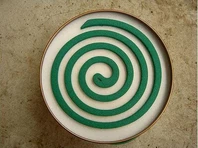
Mosquito coils are a common household item used to repel mosquitoes and other flying insects. They are widely available in the market and are often used in tropical and subtropical regions where mosquito-borne diseases are prevalent. However, not all mosquito coils are created equal, and it is important to understand the quality standards that govern their production and distribution.
The World Health Organization (WHO) has set standards for the quality of mosquito coils to ensure that they are effective in repelling mosquitoes while also being safe for human use. These standards cover a wide range of factors, including the active ingredients used in the coils, their emission levels, and their packaging and labeling requirements.
One of the key factors that determine the quality of mosquito coils is the active ingredient used in their production. Most mosquito coils contain either pyrethroid or organophosphate compounds, which are designed to repel mosquitoes and other insects. Pyrethroids are considered to be safer and more effective than organophosphates, and as such, they are the preferred active ingredient in mosquito coils.

Another important factor that determines the quality of mosquito coils is their emission levels. Mosquito coils emit smoke and fumes when burned, and these emissions can have adverse effects on human health if they are not controlled. To ensure that mosquito coils are safe for use, the WHO has set standards for the maximum emission levels of various pollutants, including particulate matter, carbon monoxide, and volatile organic compounds.
In addition to these standards, the WHO also requires that mosquito coils meet certain packaging and labeling requirements. These requirements are designed to ensure that consumers are aware of the potential risks associated with using mosquito coils and can make informed decisions about their use. For example, the packaging must include warnings about the potential health effects of inhaling mosquito coil smoke, as well as instructions for safe use and disposal.
While these quality standards are in place to protect consumers, it is important to note that not all mosquito coils sold in the market may meet these standards. Some manufacturers may cut corners or use substandard ingredients to reduce costs, which can compromise the effectiveness and safety of the mosquito coils.
Consumers can take steps to ensure that they are buying high-quality mosquito coils by looking for products that have been certified by reputable organizations. The WHO and other international organizations have established certification programs for mosquito coils to help consumers identify products that meet their quality standards. These certifications can also provide assurance that the products have undergone rigorous testing and meet specific quality criteria.
In addition to choosing certified mosquito coils, consumers can also take steps to use these products safely and effectively. For example, they should avoid burning mosquito coils in enclosed spaces or using them for extended periods of time. They should also follow the instructions on the packaging carefully and dispose of used coils in a safe and responsible manner.
In conclusion, the quality standard of mosquito coils is an important consideration for both consumers and manufacturers. High-quality mosquito coils are effective in repelling mosquitoes while also being safe for human use. Consumers can protect themselves by choosing certified products and using them safely and responsibly. Manufacturers, on the other hand, have a responsibility to ensure that their products meet the WHO's quality standards and do not compromise consumer safety. By working together, we can help reduce the incidence of mosquito-borne diseases and create a safer and healthier environment for everyone.
As one of the most professional mosquito coil manufacturers in China for over 30 years, Fachang warmly welcome you to buy customized mosquito coil at competitive price from our factory. Contact us for free sample.